A New Look at Radiation, and the Fear of Radiation, Near Nuclear Power Plants
New research from NC State Department of Nuclear Engineering Associate Professor Robert Hayes highlights how discounting radiophobia may influence health outcomes and distort epidemiological conclusions.
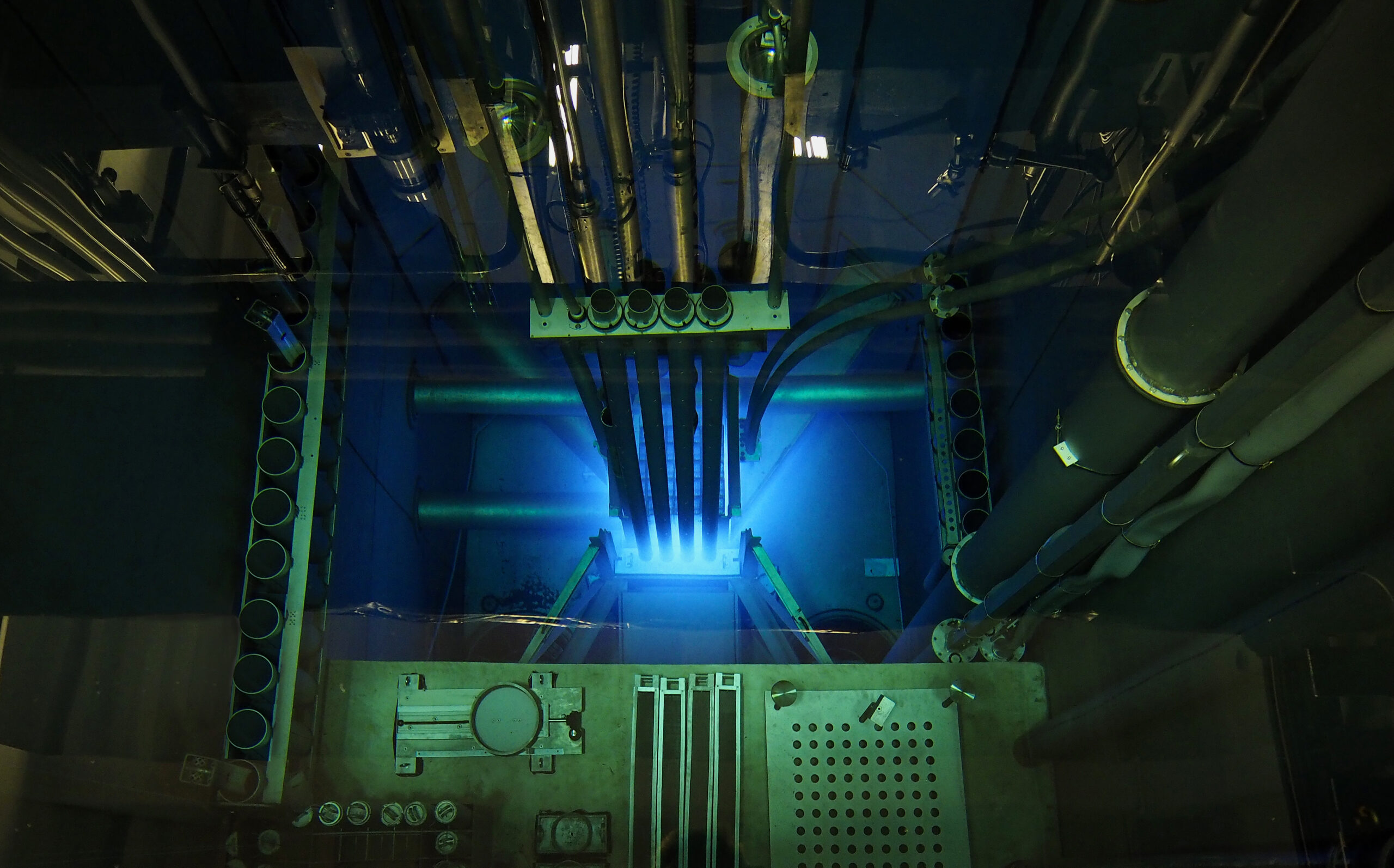
New research from Department of Nuclear Engineering Associate Professor Robert Hayes suggests that radiophobia — the chronic fear and perceived risk of radiation exposure — may influence health outcomes in people living close to nuclear reactors.
“Recent studies have reported associations between cancer and residential proximity to nuclear power plants,” said Hayes. “My concern is that proximity is not the same as radiation exposure. The paper therefore asks: what other factors might also vary with proximity? One contributor is radiophobia. Someone who strongly fears radiation may experience greater chronic stress from living near a nuclear facility.”
Hayes, a Certified Health Physicist and a licensed Professional Engineer, has focused the majority of his career on radiation protection, radiological assessment, emergency response, radiation detection and nuclear security. His paper, “Radiophobia as a Confounding Variable in Low-dose Radiation Epidemiology: Reassessing Cancer Risk Near Nuclear Power Plants,” sits at the intersection of health, safety and nuclear engineering, and ultimately examines how researchers communicate these topics to the public.
Public health research has shown that chronic psychological stress can affect immune function, inflammation, cortisol regulation and other biological processes. As opposed to the placebo effect, Hayes’s paper raises the concept of the nocebo effect: where a person expects a treatment or event to cause harm, so it does. A person’s preconceived negative expectation can manifest into real physical symptoms, regardless of a treatment or event’s impact.
Essentially, if a person believes that living near a nuclear reactor could give them cancer, they can suffer chronic psychological stress that might truly cause cancer, without radiation being a factor. Hayes is advocating for more research that considers the effects of radiation — as well as radiophobia — when it comes to nuclear reactors.
“Finding that cancer rates correlate with distance from a nuclear power plant does not demonstrate that radiation caused those cancers,” said Hayes. “If neither actual dose nor fear of radiation is measured, we are clearly overlooking critical variables.“

These critical variables are being studied by NC State nuclear faculty, who have long led the way in nuclear education, research and technology in the United States. NC State is a leader in nuclear education, research and technology, and is home to the nation’s first, and oldest-operating, university nuclear reactor.
As demand for nuclear energy sources has increased, NC State is in the planning process for a potential new advanced research and test reactor (RTR). The proposed RTR will support North Carolina’s power ecosystem, educate the nuclear energy workforce of tomorrow, spur innovation and support our state’s position as a leader in scalable, sustainable and affordable energy. The North Carolina General Assembly allocated $13 million this year for continued planning for the RTR, building on the $3 million the state invested in a feasibility study in 2024.
With an eye toward the future, NC State researchers, including Hayes, are already closely studying the safety, efficacy and viability of a new RTR. Hayes looks at the bigger picture when it comes to nuclear reactors — considering actual risk, perceived risk, bias and broader public perception as key factors in health outcomes.
“The central point is simple: if fear of radiation may influence health, and that fear may increase with proximity to a nuclear facility, then epidemiological studies should measure it before attributing an observed health effect to radiation,” said Hayes. “Future studies could measure actual radiation dose while also assessing perceived radiation risk, chronic stress and related factors.”
“Stress and fear have an established negative effect on a person’s health,” said Department of Nuclear Engineering Head Steve Shannon. “If education can help minimize these adverse contributors, programs within the department, particularly our extensive outreach efforts, can go a long way toward reducing these effects.”


